
The Mentor's Corner
Business and Marketing for ProsFrom Passion to Professional: The Real Shift
From Passion to Professional: The Real Shift
Most photographers start with a burning passion. The love of light, the joy of creating, the thrill of capturing something beautiful. Passion gets you in the game. But let’s be clear—passion is not a business model.
It won’t pay your rent, land you the client, or build the reputation you want.
The shift from hobbyist to commercial photographer doesn’t happen when you upgrade your gear or post a cool website. It happens the moment you stop thinking like an artist waiting to be discovered—and start thinking like a creative professional who gets hired to solve problems.
This mindset shift lays the foundation for everything that follows in your career. And no, it’s not about abandoning your identity as an artist. It’s about expanding your role.
From image maker to visual strategist.
From artist to asset.
From order taker to collaborator.
Step One: Understand the Client’s Perspective
Let’s get blunt. Businesses don’t hire you because you take “nice photos.” They hire you because you help them:
- Sell a product
- Tell a story
- Build a brand
- Solve a communication problem
That’s the job. That’s the gig.
Your camera? That’s just the tool. Your real value lies in understanding what the client needs—and delivering it with clarity, creativity, and purpose.
When you start looking at every assignment through the client’s eyes, things start to click. You stop shooting what looks good to you, and start building images that work for them.
Ask Better Questions, Make Better Images
Your job isn’t to push buttons. It’s to ask the right questions before you ever touch the shutter. Questions like:
- What is this image for? (Social? Print? E-commerce? Editorial?)
- What does the client need the audience to feel? (Trust? Hunger? Urgency?)
- What action should the image inspire? (Click? Call? Buy? Share?)
- Where does this image fit in the broader campaign or brand strategy?
When you have those answers, your decisions around lighting, styling, color, and composition stop being arbitrary. They become intentional. Strategic. Effective.
From Execution to Collaboration
Early on, most photographers are stuck in “execution mode.” You get an assignment, you deliver the goods. But professionals who thrive in this business don’t just take direction—they shape it.
Being a creative partner means contributing ideas, not just following instructions. It means thinking ahead, spotting potential pitfalls, and helping clients make visual choices that support their goals.
This is where your background as a visual thinker becomes a serious asset. You know how to read an image. You understand visual hierarchy, emotional tone, and storytelling. When you apply that knowledge to client challenges, you become indispensable.
The Bigger Picture (Literally)
Clients aren’t buying images. They’re buying outcomes. They want images that make people stop scrolling, lean in, take action. Whether it’s a food brand that needs to look fresh and delicious, or a tech product that needs to feel sleek and premium, your job is to craft visuals that perform.
That means knowing a bit about marketing, branding, and the buyer’s journey. You don’t need an MBA, but you do need to care about what happens after the image leaves your hard drive. Because that’s the arena where value is measured—and remembered.
We Call This Leveling Up.
Let’s squash the myth: Becoming commercially minded doesn’t mean you’re selling out. It means you’re finally getting paid to do what you’re great at—while helping people move their business forward.
You’re still an artist. But now, you’re one who knows how to make images that matter to someone else’s bottom line.
That’s the shift. And that’s the start.
Prompt for Reflection:
What do your last five paid shoots say about your understanding of your client’s goals? Are you solving problems—or just checking boxes?
Rethink Your Role
You’re not just a photographer. You’re a visual problem solver. Start acting like it.
This is the mental shift that separates the weekend warriors from the professionals who get hired again and again. Because clients aren’t looking for artistic expression—they’re looking for outcomes. And when you understand that, your entire approach starts to evolve.
- A bakery doesn’t need “art.”
They need images that make people hungry. Crust you can smell, icing you can taste, a photo that says bite me without using a single word. - A skincare brand doesn’t need “mood.”
They need clean, consistent visuals that say trust us in under two seconds. Texture, tone, and simplicity all working together to build credibility. - A design agency doesn’t need “portfolio fillers.”
They need collaborators—photographers who can hit the brief, stay on brand, and deliver without drama.
This isn’t about killing the artist inside you. It’s about giving that artist a job worth doing. One that makes your work more valuable, your pitch more effective, and your pricing easier to justify.
When you shift your mindset to focus on what the image is for, everything clicks into place. Your creative process becomes more intentional. Your client conversations get clearer. And your value? Obvious.
You stop being “the photographer” and start being the person who helps make things happen.
Recent Business Posts
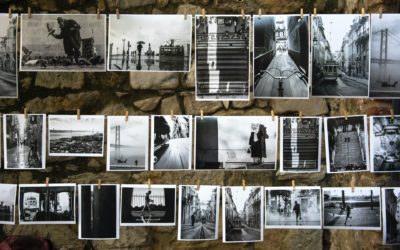
A THIRTY DAY PORTFOLIO SLAM: PLAN AND BUILD A PORTFOLIO
30 Day Portfolio SlamTABLETOP AND FOOD PORTFOLIO The goal of this workshop is to build a portfolio and develop a frame for doing it again or at scale. The process and system are definable, and they can be used again and again to develop a portfolio, book, project, or...
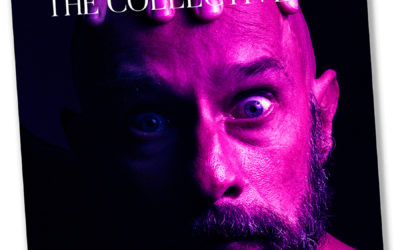
Introducing Collections III: Fall 2022
Introducing The Collective III: Fall 2022We are a group of photographers who have binding love of the photographic medium, and a desire to share our work with all who love the magic of photography. All of the photographers in this book are members of Project 52 Pro...
TEN WAYS TO STAND OUT IN THE CROWDED FIELD OF PROFESSIONAL PHOTOGRAPHY
Everyone tells you the same things… here are a few different approaches. There are more photographers than ever before. And while I do not believe that is necessarily bad, it does create a lot of marketing “noise”. Our mission is to raise ourselves up above that noise...
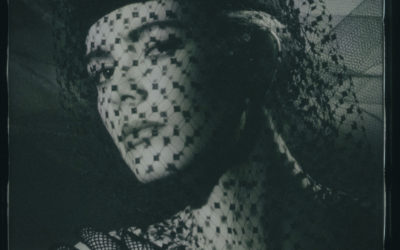
POLAROID PORTRAITS AROUND 1985
Back in the mid ’80s, I was shooting a lot of fashion and beauty work in my Phoenix studio, and occasionally in New York and Chicago. Those were heady times with shoot schedules coming back to back for weeks and months at a time. My work at the time was mostly focused...

SO YOU’RE A PROFESSIONAL PHOTOGRAPHER… WHY SHOULD ANYONE HIRE YOU?
“Why should I hire you to shoot this job for us?” This is one of the most challenging questions you will ever get. It happened to me once and I had no answer. None. My brain simply stopped doing anything as I sat there wondering what in the hell I was supposed to say?...

HOW TO GET, GIVE, AND TAKE CRITICISM
Critics… there are a million of them. Seems like it anyway. And when you are starting out in the world of professional photography, getting good, really good critique of your work is very important. Getting poor, or misguided critique can be damaging to the progress...
YES, PHOTOGRAPHERS, IT WILL ALL BE ON THE TEST
At some point, the test reveals itself. Of that, you can be damned sure. It is quite obvious to me today, that being a photographer has different meanings to many people. Being a photographer to some folks means the quickest, fastest, easiest, form-fitted, methodized,...
A THIRTY DAY PORTFOLIO SLAM: PLAN AND BUILD A PORTFOLIO
30 Day Portfolio SlamTABLETOP AND FOOD PORTFOLIO The goal of this workshop is to build a portfolio and develop a frame for doing it again or at scale. The process and system are definable, and they can be used again and again to develop a portfolio, book, project, or...
Introducing Collections III: Fall 2022
Introducing The Collective III: Fall 2022We are a group of photographers who have binding love of the photographic medium, and a desire to share our work with all who love the magic of photography. All of the photographers in this book are members of Project 52 Pro...
TEN WAYS TO STAND OUT IN THE CROWDED FIELD OF PROFESSIONAL PHOTOGRAPHY
Everyone tells you the same things… here are a few different approaches. There are more photographers than ever before. And while I do not believe that is necessarily bad, it does create a lot of marketing “noise”. Our mission is to raise ourselves up above that noise...

SEEKING THE “PERFECT” IMAGE MAY BE COUNTER PRODUCTIVE
Sometimes we get focused on the things we think will make us better and ignore the simple things that will indeed make us better. Recently I wrote about not taking enough photographs, now I will take on the idea of the ‘perfect’ image… or exposure or composition....