EDITORIAL FOOD (3)
Frivolous Food / Striking Shadows
Meeting notes
Quick recap
The meeting was a photography class session led by Don, where participants Trish, Christine, Mike, and Julie discussed their recent food photography assignments. Trish explained she hadn’t submitted work due to her AC breaking, while others shared their experiences with uploading images to the class website. Christine presented her series of chili pepper photos, and Don provided feedback and a Lightroom editing demonstration. Julie showed her tomato images, and Mike presented a conceptual series inspired by mortality. Don then introduced the next assignment on photographing candy, emphasizing the use of color, shape, and creative composition. He also showed examples of professional candy photography and discussed the use of AI tools like ChatGPT for image retouching. The class ended with a discussion about the upcoming candy project.
Next steps
Christine
Don
Mike
Collaboration
Summary
Technical and Project Updates Meeting
Trish reported technical difficulties with her air conditioning in Florida, which prevented her from submitting work this week. The group discussed issues with uploading photos to a shared page, with both Mike and Julie experiencing similar problems that required contacting their instructor for assistance. The conversation revealed that several members, including Trish and Mike, are working on starting businesses, while Julie focuses on fine art through galleries.
Website Image Upload Issues
The team discussed issues with uploading images to the website, where some members including Mike and Julie were unable to get their images to display properly despite receiving upload confirmation messages. Don explained that he was in class for several hours during the day and suggested that images should be uploaded the night before to avoid timing conflicts. Don announced plans to have Claude build a tool that would automatically upload pictures directly to the gallery.
Chili Pepper Photography Review
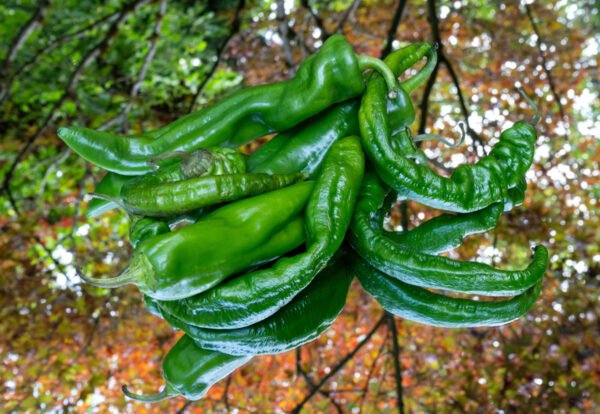
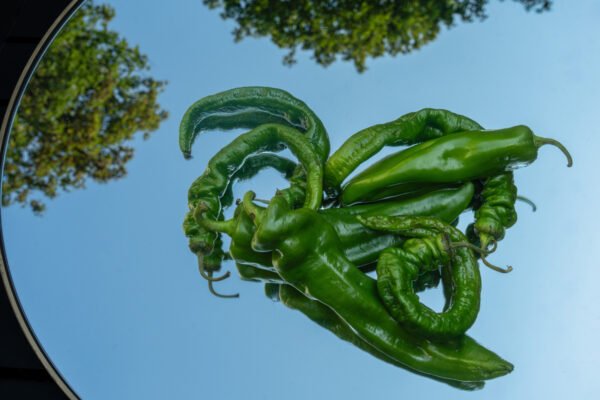
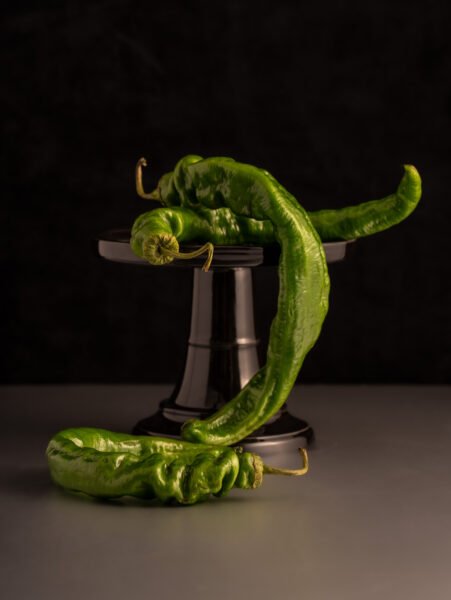
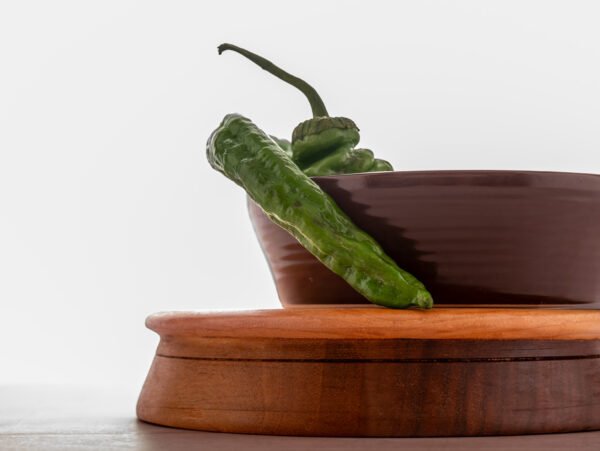
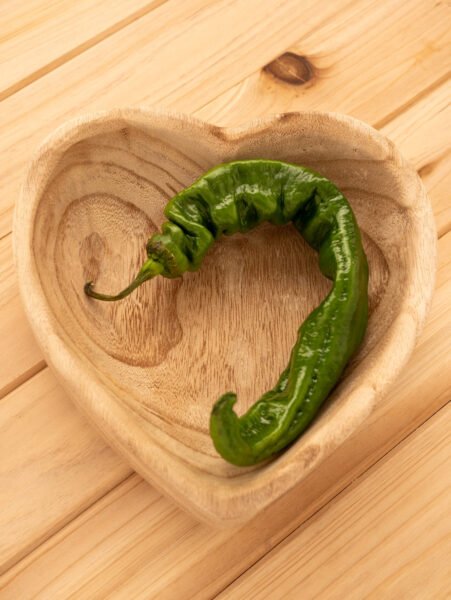
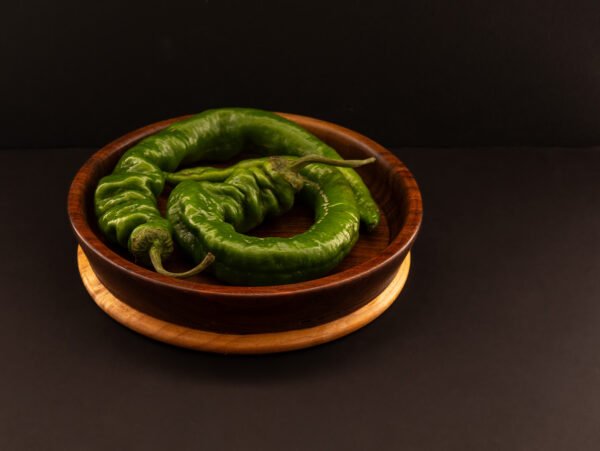
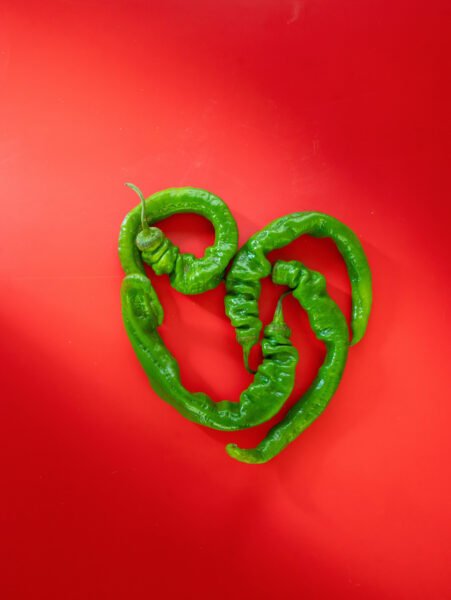
Don and Christine reviewed a series of photographs of long hot chili peppers that Christine had taken at an Asian market. Christine explained her lighting techniques, including using window light, black scrims, and white cards to create different effects. Don provided feedback on the images and demonstrated how to use Lightroom to adjust the background lighting to better define the heart-shaped composition in one particular photo.
Lightroom Masking Techniques Demo
Don demonstrated techniques for subtracting objects and adjusting exposure in Lightroom, showing how to use masks to reveal elements like a heart in an image. He highlighted the benefits of using Lightroom’s mask features and mentioned a new update allowing raw images to be saved as DNG files. Christine shared her approach to handling high-contrast scenes by taking separate exposures for the sky and peppers, then overlaying them in Photoshop rather than using masking alone.
Photography Feedback on Tomato Shots
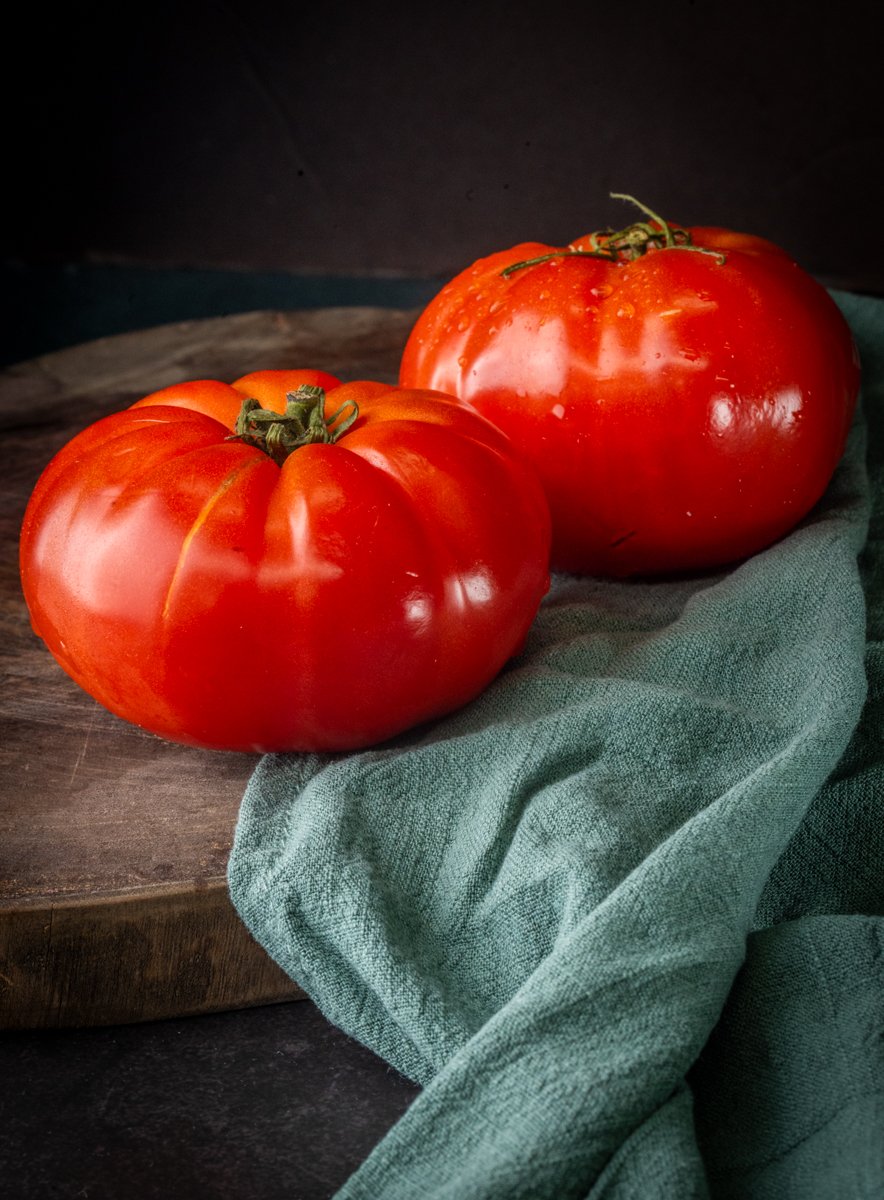
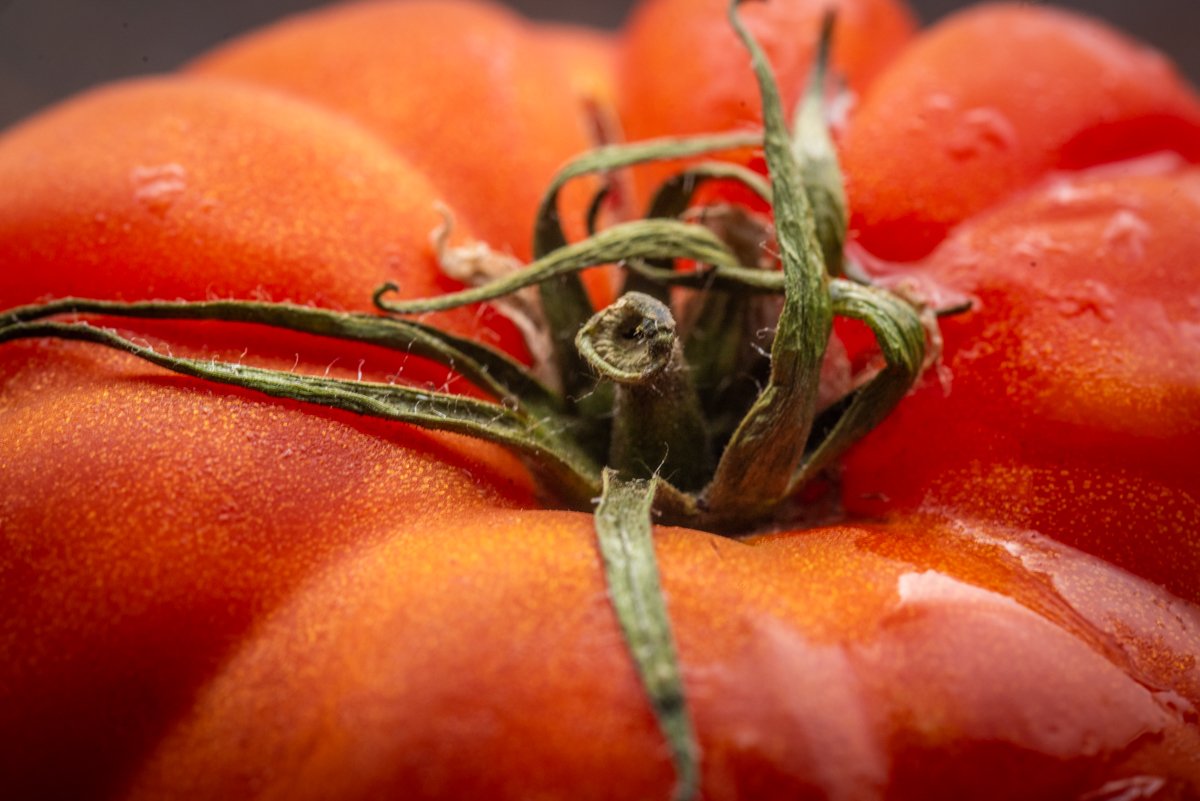
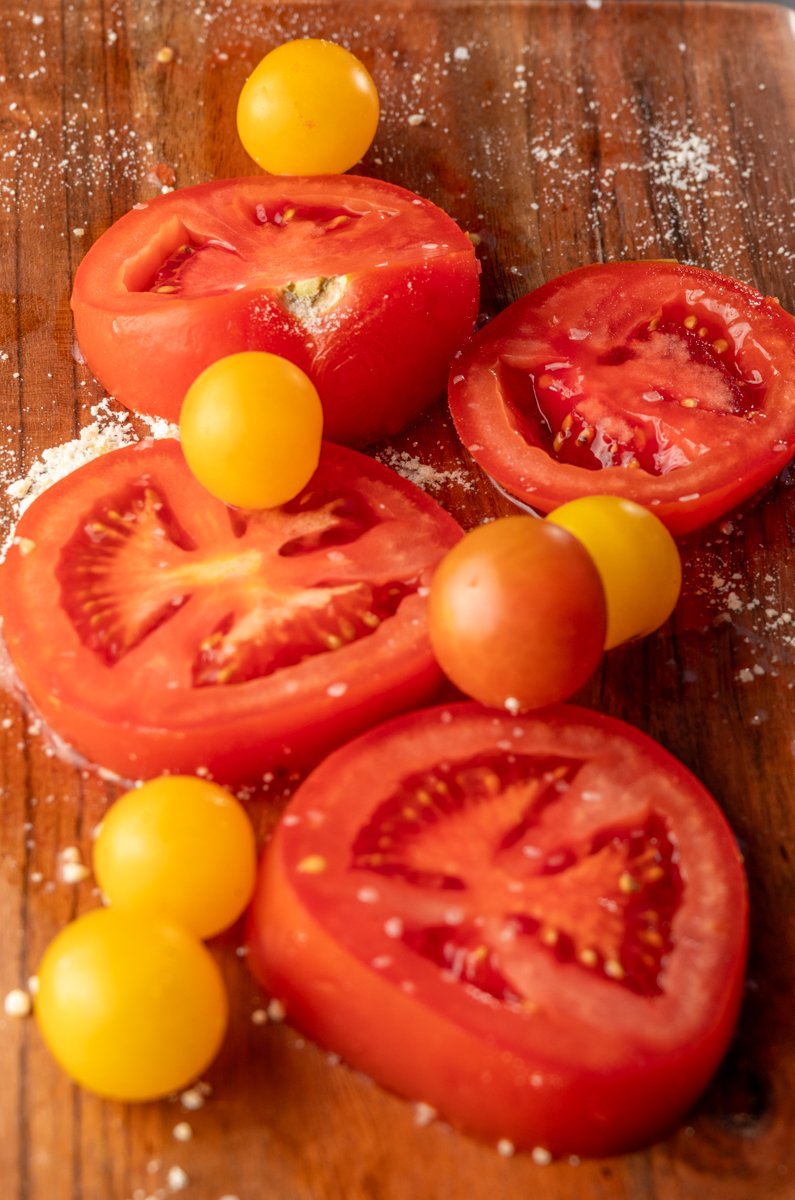
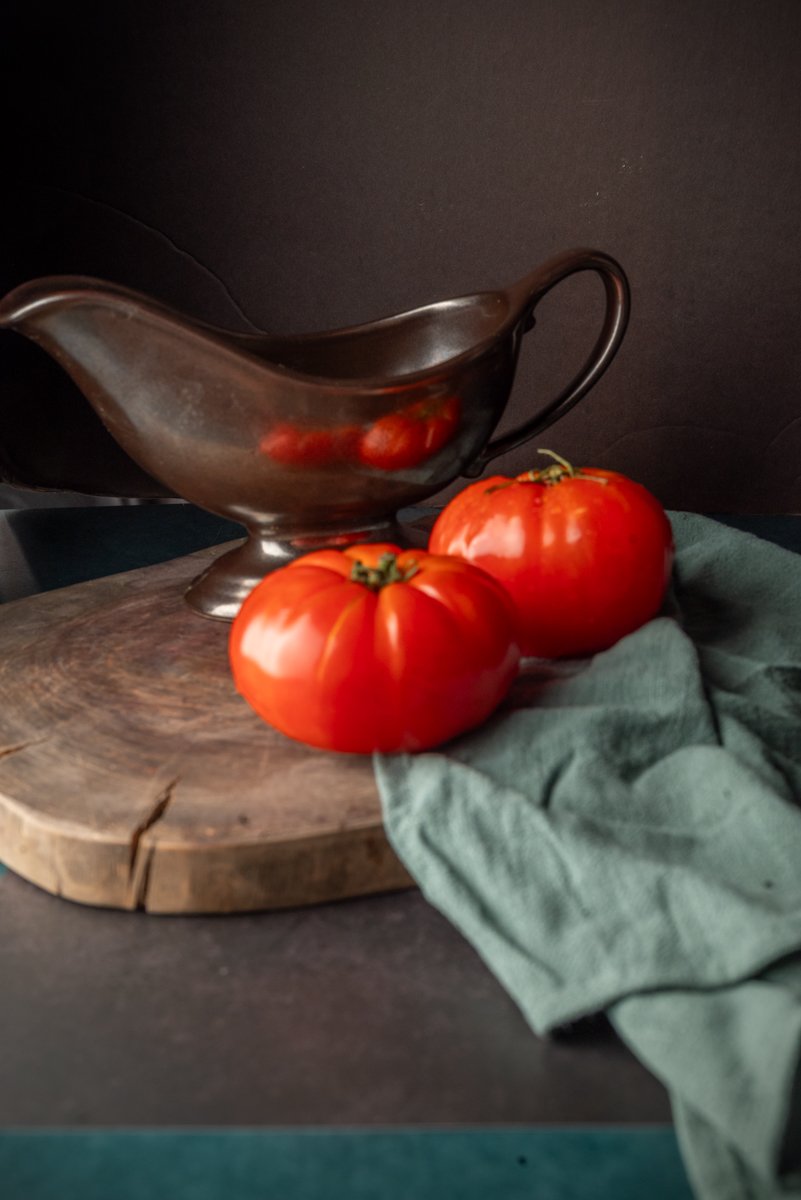
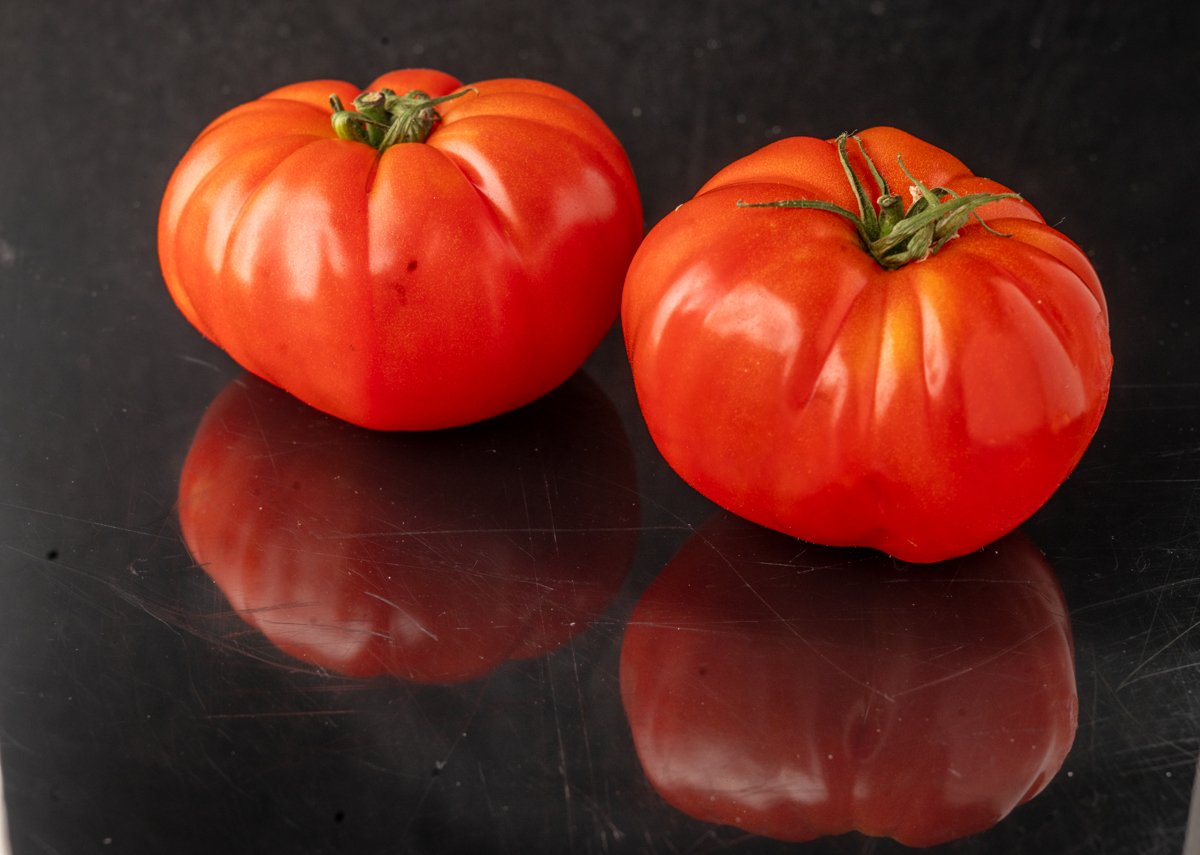
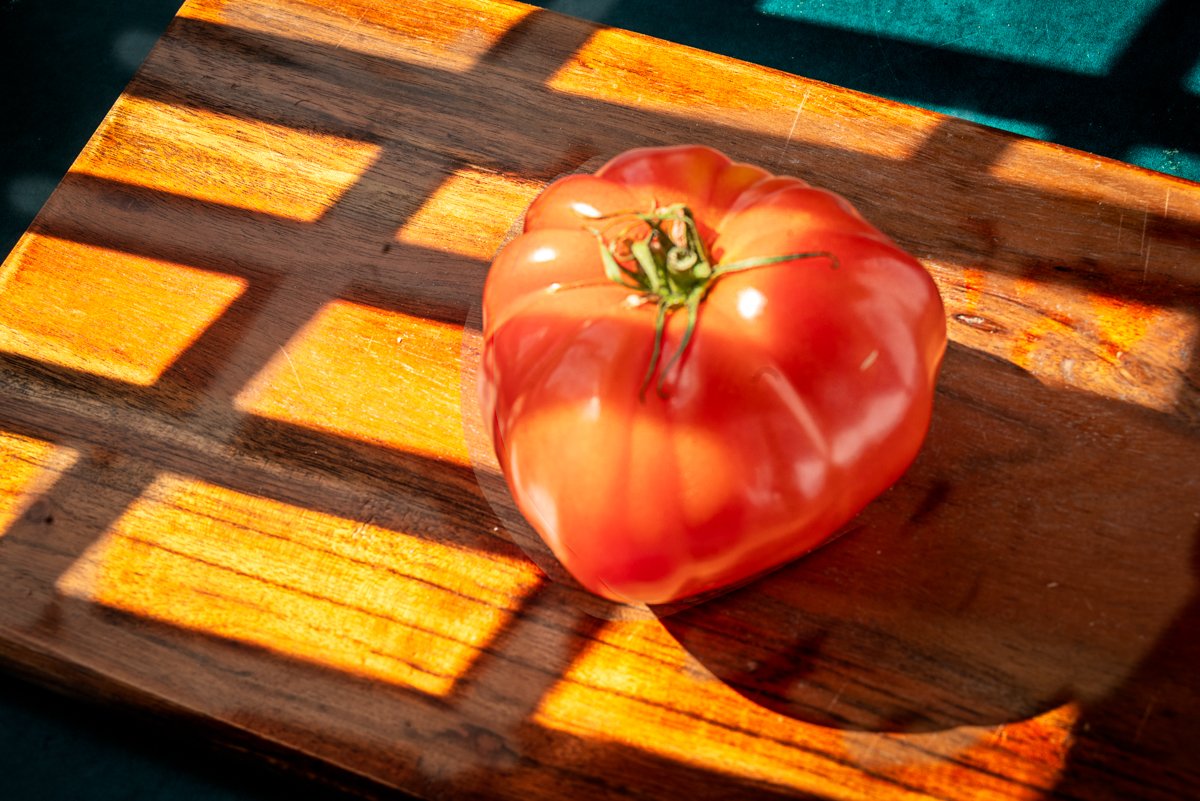
Don and Julie discussed Julie’s photography assignment featuring tomatoes, with Don providing feedback on her different lighting techniques and composition choices. Julie explained her use of side lighting, macro shots, and an acrylic gobo to create various effects, including reflections. Don suggested cropping one of the shots to improve composition and asked about the type of tomatoes, which Julie confirmed were a mix of heirloom and beefsteak varieties.
Photography Composition and Lighting Feedback
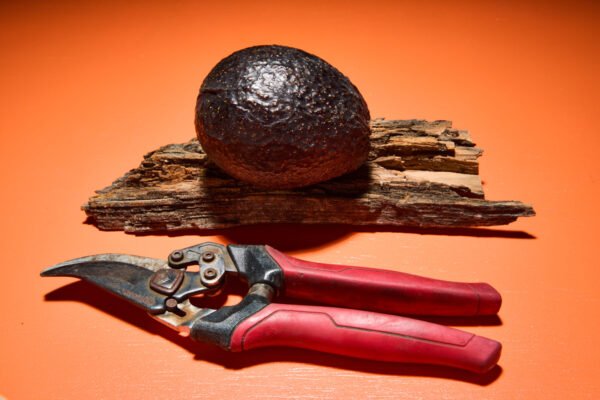
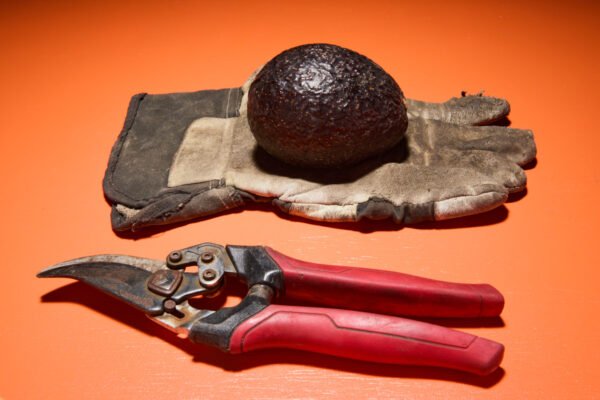
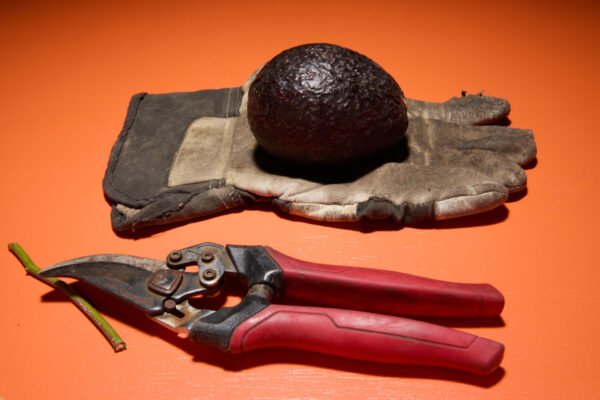
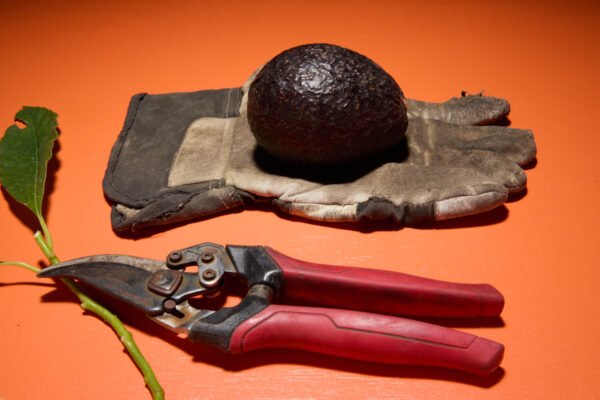
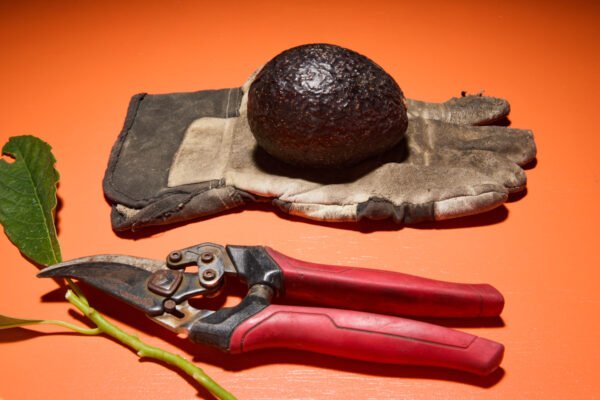
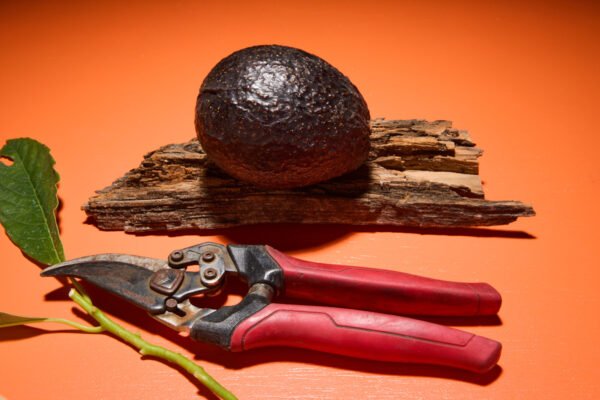
Mike presented images inspired by Corlette Grand Cornette focusing on mortality and effort producing fruitful results. Don provided feedback on composition, suggesting to crop the leaf differently and bring it closer to the glove to improve balance. Mike explained his lighting technique using a strobe with a 40-degree grid and reflector to create a hard-edge shadow, achieving overexposure on the glove and one and a half to two stops darker shadows.
Food Photography Techniques Discussion
Don led a discussion on photography techniques for shooting candy and food, focusing on color, design, and composition. He analyzed various photographers’ work, including Emily Hawk, Kailyn, Caitlin, and Evie, highlighting elements such as color grading, depth of field, and the progression from minimalist to maximalist styles. Don encouraged the group to explore different food items for their assignments, emphasizing creativity while considering factors like time constraints for shooting ice cream.
Ice Cream Photography Techniques
Don discussed the creative process of photographing ice cream, emphasizing the importance of making aesthetic decisions about how to capture it, whether fresh or melted. He demonstrated how to use AI tools like ChatGPT for photo retouching, showing examples of improving a poorly shot watch image by cleaning up reflections and adding texture. Don advised being specific with AI instructions, explaining that tools like ChatGPT and Gemini can sometimes remove important details if not directed properly, and encouraged the team to learn how to effectively use these tools for their work.
Candy Photography Portfolio Planning
Don instructed the team to create two photographs featuring frivolous food items like jelly beans, chocolate covered raisins, and cupcakes, emphasizing that the shots should be artistic rather than appetizing. He clarified that the purpose is not to create advertising material but to practice portfolio-worthy photography with candy as a subject. The team discussed potential candy photography ideas, with Trish mentioning a store called “I Love Sugar” where they could source various candy options.
|
Upload files
|
|
|
|
|
|
|



|
|
Frivolous Food
Photographing Sugar Without Making a Candy Advertisement
Candy does not need to be taken seriously.
That is precisely what makes it such a wonderful subject.
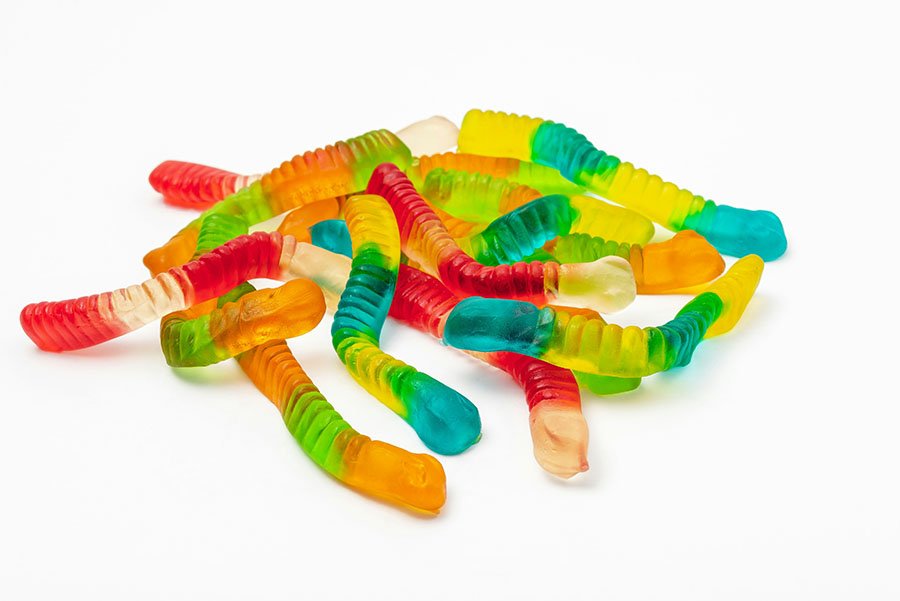
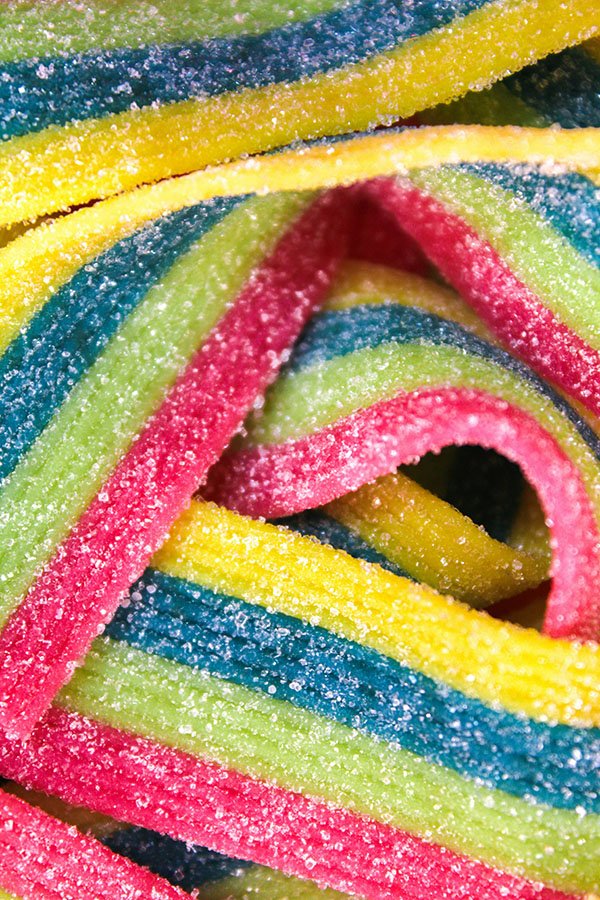
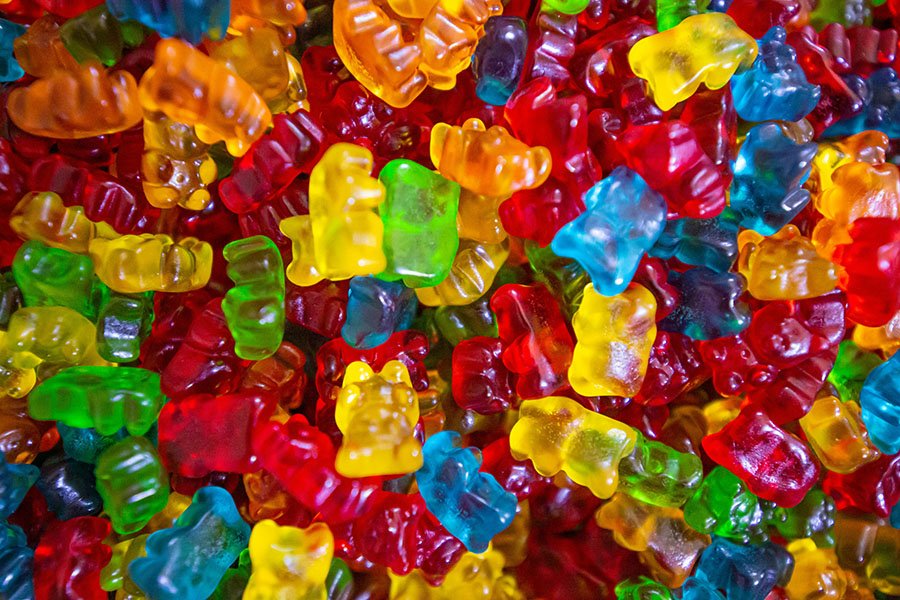
Gumballs, popsicles, ice cream cones, licorice, gumdrops, jellybeans, lollipops—none of them arrive carrying the visual baggage of fine dining. They do not need linen napkins, hand-thrown pottery, carefully placed herbs, or a solemn little drizzle of balsamic reduction.
Candy gives us permission to play.
But play is not the same as being careless. A successful image of frivolous food still depends on disciplined decisions about color, shape, spacing, light, and point of view. The subject may be silly. The photograph should not be.
This Is Not About Making Candy Look Delicious
The usual candy advertisement has a fairly obvious job: bright colors, perfect surfaces, cheerful lighting, and enough appetite appeal to make someone reach for the package.
We are after something else.
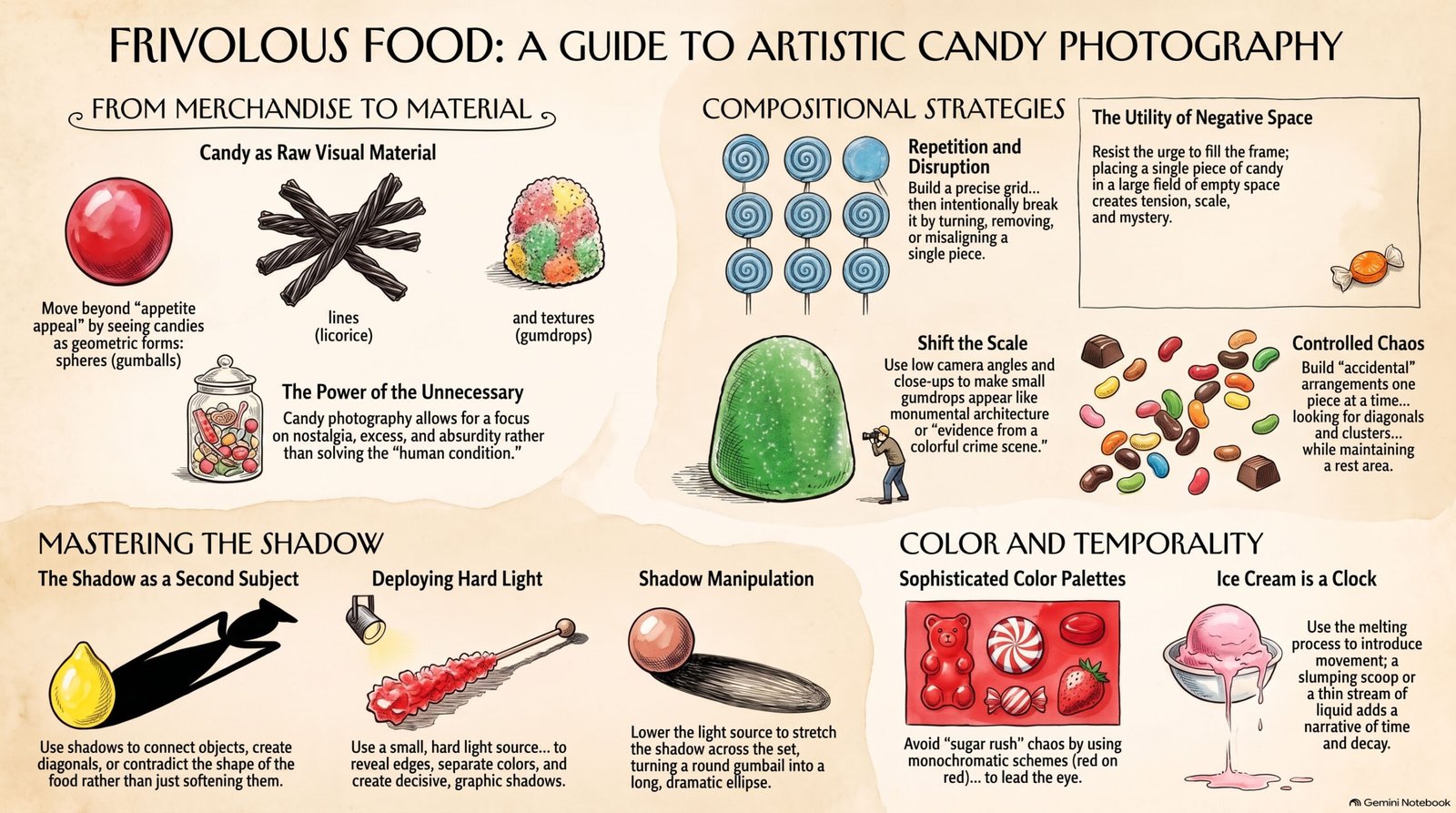
We are using candy as raw visual material.
A gumball is not only something to chew. It is a colored sphere. A popsicle is a geometric form with a temporary lifespan. A licorice rope is a line. A pile of gumdrops is texture, repetition, and color. An ice cream cone can become architecture right up until the architecture melts onto the table.
Once we stop treating the food as merchandise, the possibilities get much more interesting.
The photograph might be about:
-
Order and disruption
-
Repetition and interruption
-
Balance and instability
-
Excess
-
Nostalgia
-
Artificial color
-
Childhood
-
Temptation
-
Melting, collapse, or decay
-
The simple pleasure of something completely unnecessary
That last one matters. Not every photograph needs to solve the human condition. Sometimes a red gumball casting a ridiculous blue shadow is enough.
Composition Does the Heavy Lifting
When the subject is simple, composition becomes impossible to hide behind.
A bowl filled with candy is a record of a bowl filled with candy. Arrange those same pieces deliberately across the frame and the image begins to say something.
Start by stripping the scene down. One surface. One background. A limited color palette. Then decide what the photograph is actually about.
Repetition
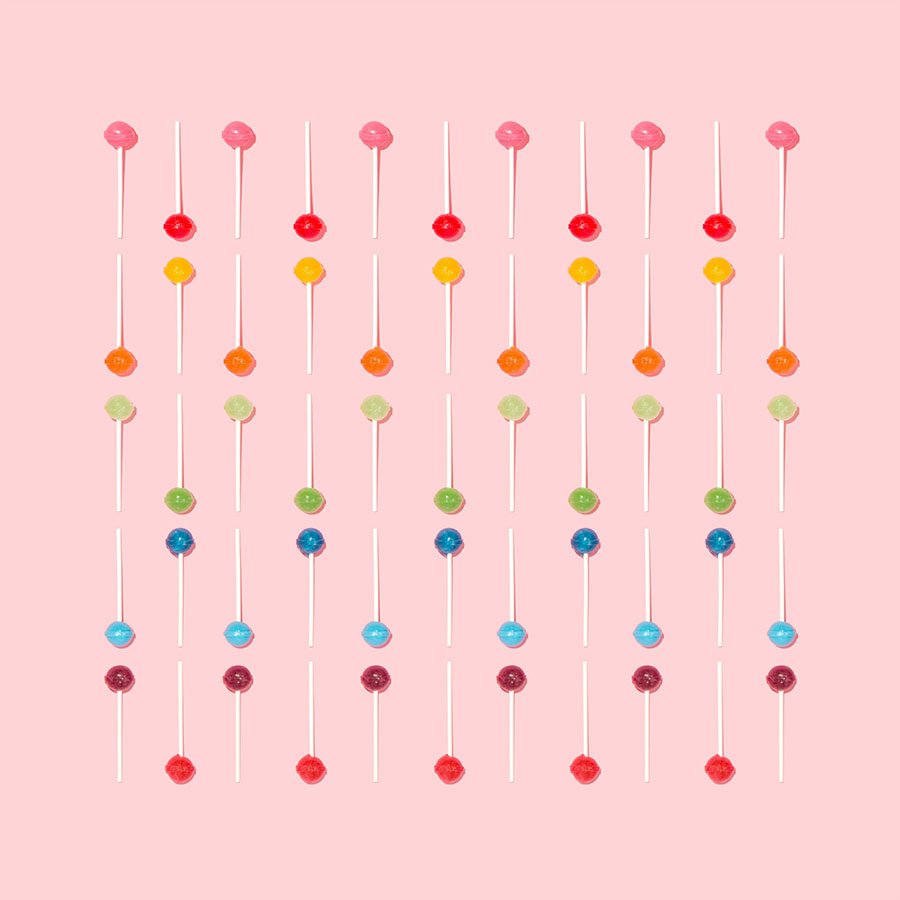
Build a grid of identical candies. Make the spacing precise. Let the repetition become almost uncomfortable.
Then break it.
Turn one piece. Remove one. Replace one color. Push a single piece out of alignment. The viewer will find the disruption immediately because you have created a visual rule and then violated it.
Negative Space
Candy photography often suffers from the urge to fill everything. More candy. More colors. More sprinkles. More chaos.
Resist.
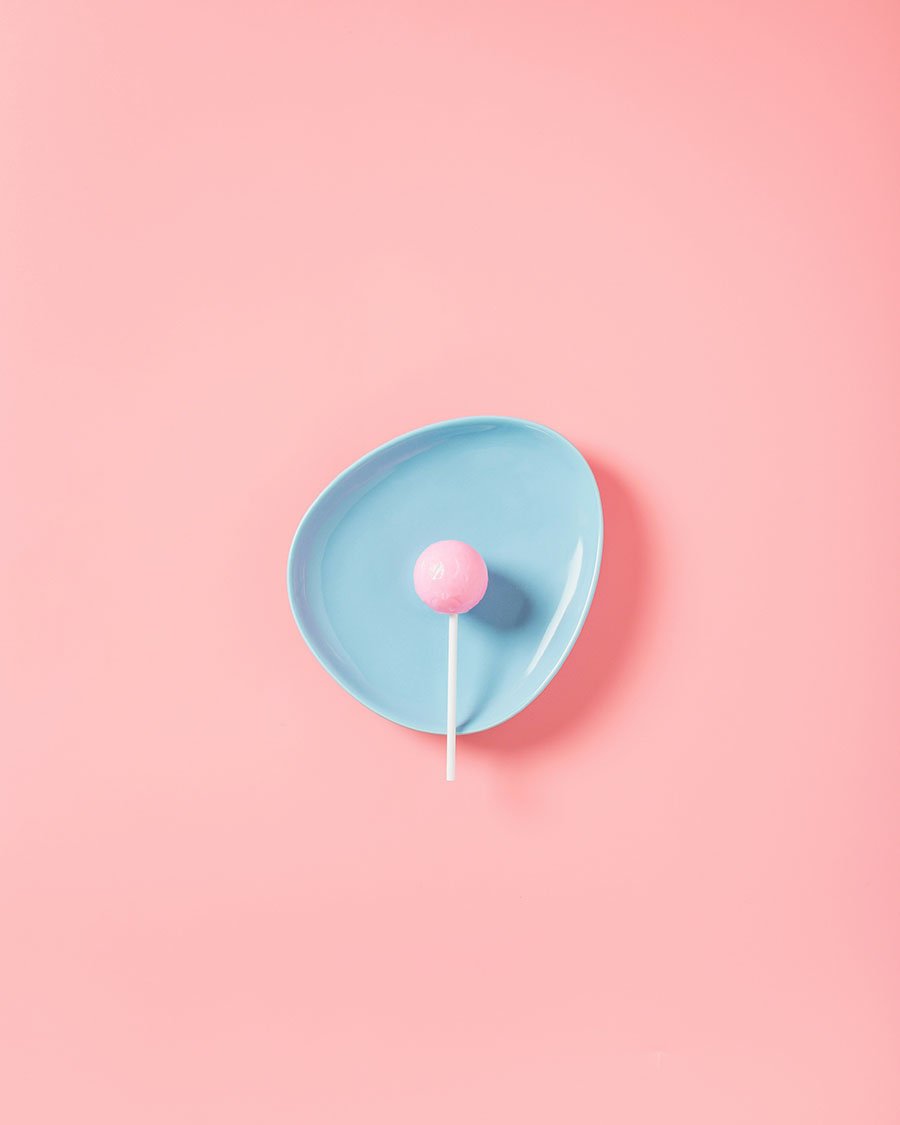
Place one small piece of candy inside a large field of empty space. Suddenly it gains importance. The image becomes quieter, stranger, and far less like an advertisement.
Empty space is not unused space. It creates tension, scale, and anticipation.
Cropping
Do not always show the entire subject.
Crop through a row of gumballs. Let an ice cream cone enter from the edge of the frame. Photograph only the top of a melting popsicle or the curve of a licorice rope.
Cropping can transform familiar food into shape, color, and gesture. The less immediately recognizable the object becomes, the more carefully the viewer has to look.
Scale
Small objects do not have to feel small.
Move close. Use a low camera angle. Let a single gumdrop dominate the frame like a strange little monument. Photograph an ice cream cone as though it were a piece of architecture—or evidence from a very colorful crime scene.
Changing the apparent scale changes the meaning.
Controlled Chaos
Throwing candy onto a table is not composition. It is cleanup waiting to happen.
Chaos still needs structure.
Look for clusters, diagonals, visual pathways, and areas where the eye can rest. Build the apparent accident one piece at a time. The finished arrangement may look spontaneous, but spontaneity is often carefully negotiated.
______________________
Let the Shadows Join the Photograph
Most conventional food photography tries to control shadows, soften them, or make them disappear politely beneath the subject.
For this project, the shadow can become a second subject.
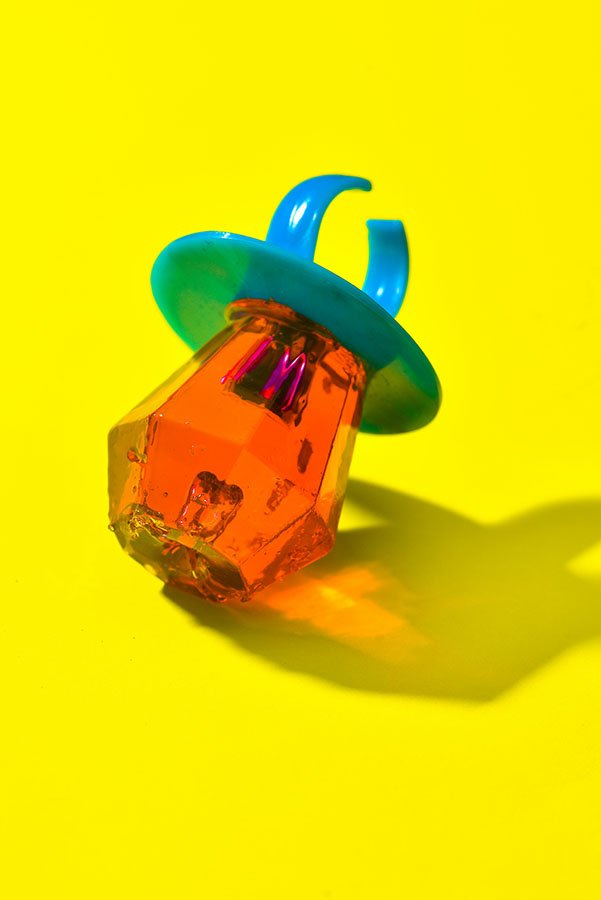
Use a small, harder light source instead of a large softbox. Move it lower and farther to the side. Watch what happens as the shadows stretch across the surface.
A round gumball becomes a circle attached to an ellipse. A lollipop creates a line, a disc, and a long graphic shadow. A melting ice cream cone can cast a shape far more interesting than the cone itself.
The shadow does not have to describe the object accurately. It can contradict it, exaggerate it, or create an entirely new composition.
Try using the shadows to:
-
Connect separate objects
-
Create diagonals across the frame
-
Repeat the shape of the food
-
Introduce tension or imbalance
-
Extend the composition beyond the physical subject
-
Make a small object feel theatrical
-
Create something mysterious from something familiar
Pay attention to where the shadow ends. A beautiful shadow clipped awkwardly by the edge of the frame is not a lighting problem. It is a composition problem.
Hard Light Is Not Harsh Thinking
Hard light is often dismissed as crude or unforgiving. That is lazy thinking.
Hard light is graphic. It reveals edges. It separates colors. It creates decisive shadows. It gives simple objects presence.
The position and size of the source will determine the character of the shadow. A small source creates a sharp edge. A larger source softens it. Moving the light closer to the subject changes the shadow’s scale. Lowering the light stretches the shadow farther across the set.
Do not set the light and begin shooting immediately.
Move it.
Raise it an inch. Lower it two. Shift it left. Watch the shadow move through the composition. The shadow is not the leftover result of lighting the food. It is one of the elements you are arranging.
Color Without the Sugar Rush
Candy provides more color than most photographs can comfortably hold.
Use it deliberately.
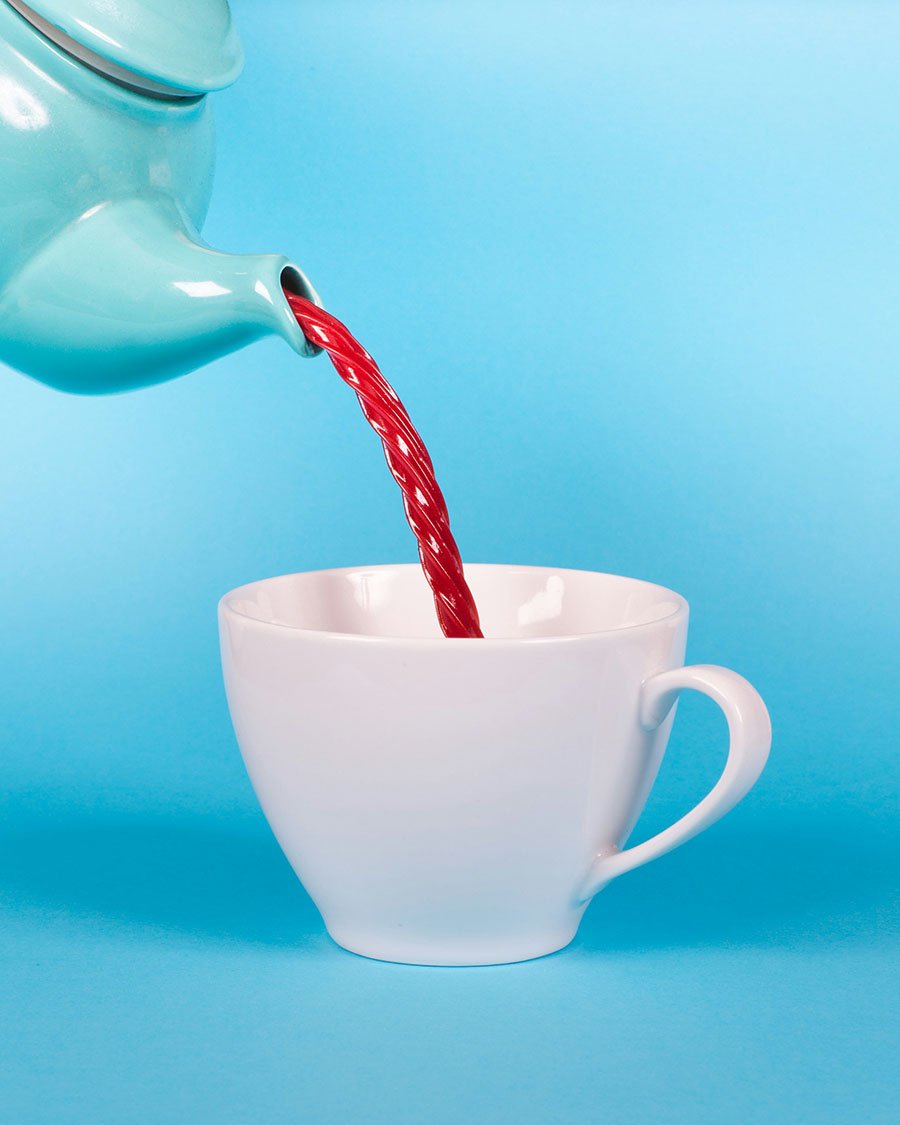
You might work with a monochromatic palette: red candy on a red surface, with shape and shadow providing the separation. You could use complementary colors, such as orange candy against blue. Or you might restrict the photograph to neutrals and allow one piece of candy to deliver the only color in the frame.
Color should create the visual idea—not merely announce that you bought the assorted package.
If every color is equally loud, none of them is leading.
Ice Cream Is a Clock
Ice cream adds one useful complication: it refuses to wait for you.
That can be a nuisance, or it can become the concept.
A perfect scoop is familiar. A scoop beginning to slump is more interesting. A thin stream running down the side of a cone introduces movement and time. A completely collapsed scoop can turn a cheerful food photograph into something funny, sad, absurd, or oddly beautiful.
Prepare the composition, camera, and lighting before bringing in the ice cream. Work quickly, but do not panic. Sometimes the photograph you planned is less interesting than the photograph that begins to fall apart.
The mess may be the picture.
The Assignment
Create two photographs of frivolous food.
The first image should use composition as the primary idea. Work with repetition, negative space, scale, cropping, or controlled chaos.
The second image should use a cast shadow as a major part of the composition. The shadow should do more than prove that a light was present. It should change the photograph.
Avoid packaging, brand names, and the familiar visual language of candy advertising. We are not selling sweetness. We are investigating shape, color, humor, nostalgia, excess, and absurdity.
Before pressing the shutter, ask:
If the candy disappeared, would the composition still be interesting?
If the answer is no, move something.
Then move it again.