
EDITORIAL FOOD
Our Home Page
Meeting Notes
Quick recap
The meeting focused on an editorial food photography workshop led by Don, who explained the difference between traditional commercial food photography and more creative, conceptual editorial approaches. Don discussed various techniques and perspectives, such as shooting from unusual angles, using extreme macro, capturing motion, and employing lighting that breaks conventional rules. He presented examples from notable photographers like Irving Penn, Henry Hargraves, and Klaus Pichler to illustrate how food can be used to tell stories or convey ideas rather than simply appear appetizing. The participants, Trish, Mike, and christinelarson, shared their initial ideas for the assignment, which involved planning a shoot inspired by one of the discussed photographers and documenting the process. Don encouraged experimentation and creative thinking, emphasizing that the goal was to tell a story with food rather than just show the food itself. The group also briefly discussed the use of AI in photography and shared personal anecdotes related to food and photography experiences.
Next steps
Don
Mike
Trish
christinelarson
Collaboration
- All participants (Trish, christinelarson, Mike): For the assignment, study the work of one of the photographers mentioned by Don, write down their five inferred rules, and shoot two final images plus 3-5 outtakes showing the thought process, setting aside 2 hours for the shoot.
- All participants: Share the rules applied for their next image with the group.
- All participants: Upload their assignment images (finals and outtakes) to Basecamp for review by next week’s meeting.
Summary
Editorial vs Traditional Food Photography
Don explained the difference between editorial food photography and traditional plated food photography, noting that editorial food uses food as a subject rather than just for appetite and accuracy. He clarified that editorial food photography focuses on the conceptual and thematic role of food, making it different from standard restaurant or menu photography that requires accurate representation of specific dishes.
Food Photography Techniques Discussion
Don discussed food photography techniques, emphasizing the importance of lighting and angles for restaurant menu shots versus editorial photography. He explained different shooting approaches including top-down shots, extreme close-ups, cross-sections, and worm’s eye views, while noting that editorial work allows more creative flexibility with lighting and effects like gels. Don recommended experimenting with unconventional angles and lighting techniques, particularly mentioning the “big beautiful light” concept from his previous class with Christina.
Creative Food Photography Techniques
Don discussed the approach for shooting food photography, emphasizing creative techniques like capturing food in motion, using food as sculpture, and exploring unconventional angles. He referenced examples from other photographers who shot food in unique ways, such as photographing food after a meal or in bags. Don also mentioned the influence of Dutch painting techniques on food photography, highlighting concepts like showing wealth or the passage of time through food imagery.
Food Photography Discussion Overview
Don presented examples of food photography, including work by Henry Hargraves who photographed last meals of convicted killers, and discussed the concept of using food as metaphor rather than just for its visual appeal. He shared various photographers’ work including a New York Magazine staff photographer, Irving Penn’s frozen food images, and Grant Cornett’s decay portfolio. The discussion also included a review of an IKEA cookbook presentation and Paulette’s modern approach to food still lifes.
Food Photography Techniques Discussion
Don and Trish discussed various food photography examples, including work inspired by Ian Fleming’s books and Klaus Pickler’s waste transformation photography. Don highlighted the importance of storytelling in food photography rather than focusing solely on the food itself. The discussion concluded with Don suggesting different shooting perspectives for food photography, including looking up at food and table-level shots.
Creative Food Photography Techniques
Don discussed various creative photography techniques for food photography, including tilt shift effects, macro shots through serving bowls, and using different lighting approaches like mixed color temperatures and opposing hard lights. He shared examples from other photographers, including Beth Galton’s work with half-corn dogs and a project involving frozen cherries in clear ice. The discussion covered practical tips for breaking visual rules in food photography and creating unique compositions.
Food Photography Creative Approaches
Don discussed creative approaches to photographing food, suggesting techniques like using dark backgrounds, building sets, and incorporating allegorical elements. He challenged Trish to think about how she would photograph food if illustrating a story like the Odyssey, emphasizing the importance of storytelling through food photography. Don concluded by assigning Trish to develop a detailed plan for her food photography concept.
Photography Rules Development Assignment
Don instructed Trish to study the work of photographers from a list he provided and develop her own five rules for creating an image, rather than simply copying existing work. He specified that she should document her thought process by showing the hierarchical progression from first frame to final image, including 2-4 final images and 3-5 outtakes. Don recommended setting aside 2 hours for the actual shooting, emphasizing the importance of experimentation and finding the right composition through various angles and arrangements.
Visual Food Content Representation
Trish proposed creating a visual representation of the actual contents of a can of corn by using clear plastic to show the size difference between the can and the actual corn inside. Christinelarson suggested deconstructing smoothie ingredients and photographing them in layers before blending. Don encouraged both participants to develop their ideas further and suggested writing down initial concepts when they arise.
Food Photography Project Planning
The group discussed ideas for a photography project involving food, with participants exploring concepts like macro photography of food textures, using overripe or rotten ingredients, and incorporating AI tools for inspiration or background enhancement. Don shared insights from using AI to analyze his Medium articles, highlighting findings about engagement rates and content optimization. The team agreed to document their process with behind-the-scenes photos and to submit their final images next week, with Don confirming the project would continue on Basecamp for now.
Editorial Food, Session One
Shooting Food That Says Something
Format: 30 minutes of lecture and discussion. Each section below is a slide or two. Each photographer name is a search term for deck images. Discussion prompts are written to be thrown at the room, not answered by you.
Opening: What We Are Not Doing
Menu photography has one job. Make the dish look accurate and appetizing so somebody orders it. It is honest work and hard to do well, and it is not what this class is about.
Plated food, the restaurant-editorial hybrid, has hardened into its own formula. Soft window light from behind. Shallow depth. Linen napkin, scattered crumbs, a fork placed at a careless angle that took ten minutes to get careless. We all know the look. It sells brunch.
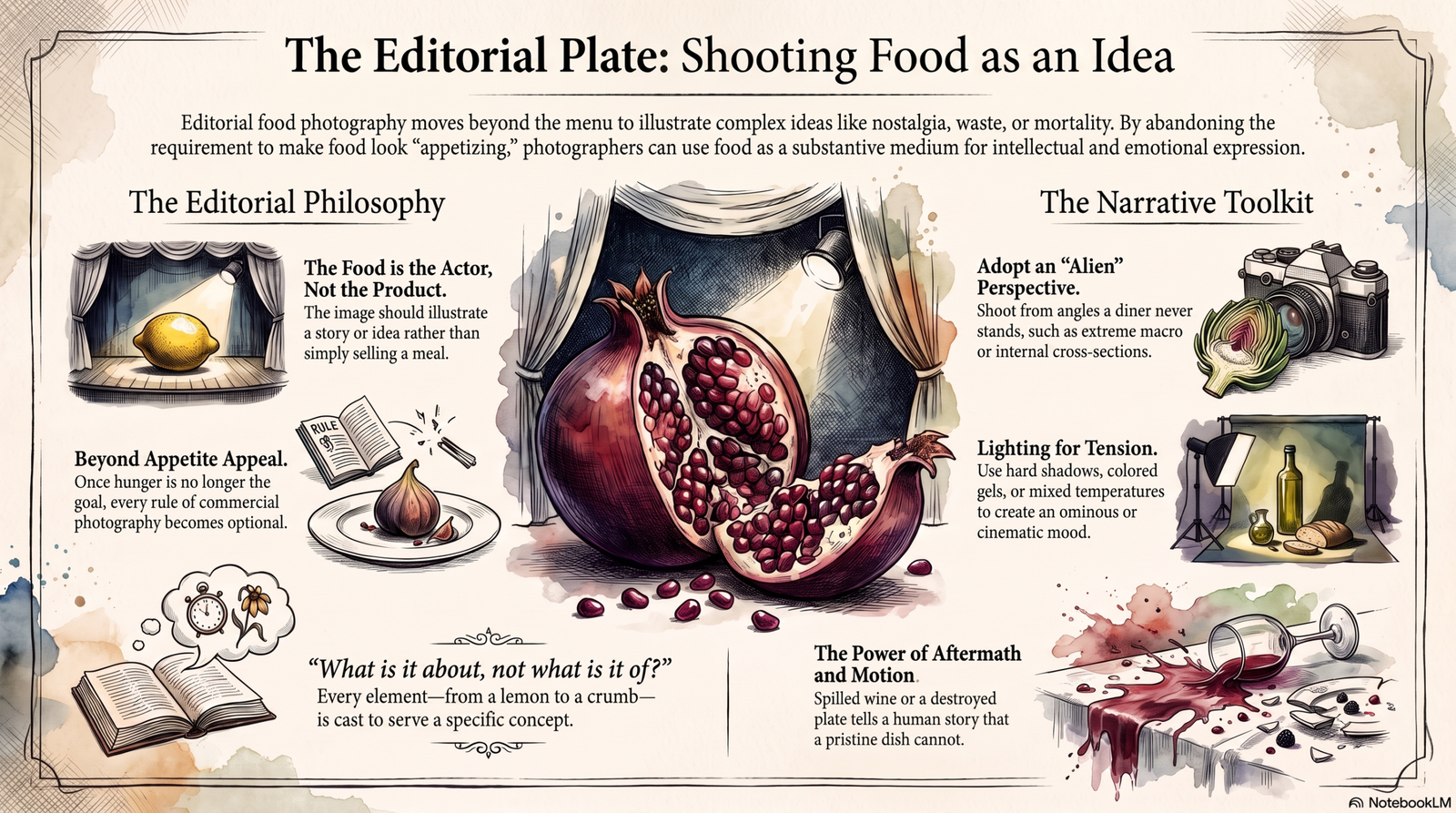
Editorial food has a different job. The image illustrates an idea. A story about excess, a health scare, nostalgia, class, pleasure, waste. The food is the actor, not the product. And once the food stops being the product, every rule about making it appetizing becomes optional.
The question changes from “does this look delicious” to “does this image say what the story needs it to say.”
Discussion prompt: Name a food image that stuck with you that you would never put on a menu. What was it doing?
Territory 1: Point of View
The default food angle is 45 degrees, the diner’s view, seated at the table. Fine. Everyone shoots it. Here are the other places to stand:
- Dead overhead. The food becomes graphic design. Shapes, color blocking, negative space. You compose it like a poster, not a meal.
- Table level, worm’s eye. Food becomes monumental. A stack of pancakes at lens height reads like architecture. A single olive at eye level becomes a planet.
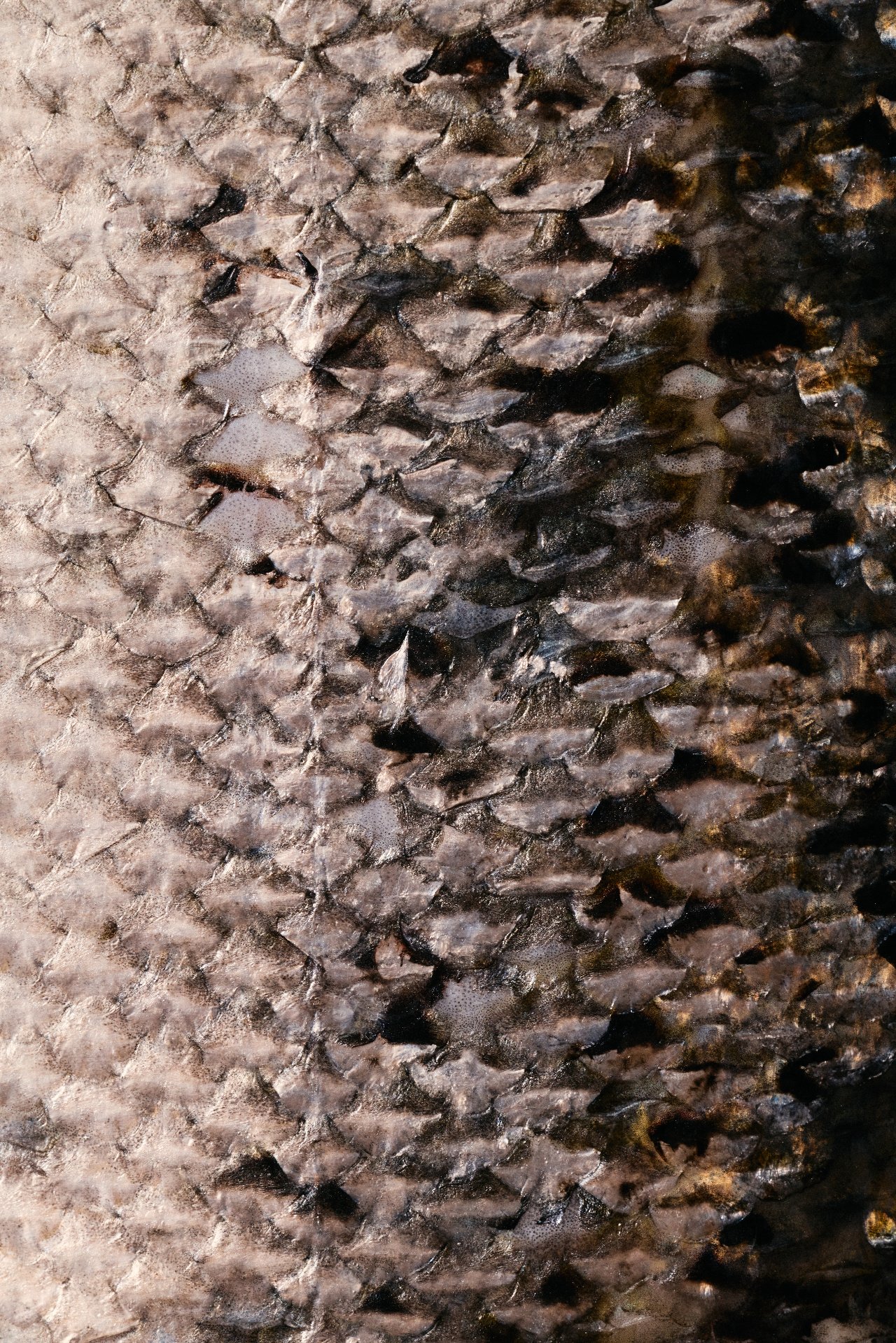
- Extreme macro. Texture takes over. Sugar crystals, oil bubbles on the surface of soup, the crust of bread at an inch away. The food stops being recognizable as a meal and becomes terrain.
- Through and inside. Through the glass, up from inside the bowl, camera under a sheet of acrylic with the food on top.
- The cut-through. Beth Galton, working with food stylist Charlotte Omnès, cut foods in half and shot the cross section: a coffee cup frozen mid-pour, a burrito, a corn dog. It is a point of view no eater ever has, which is exactly why it works.
The working rule: shoot from somewhere a person eating never stands.
Discussion prompt: Pick something boring. Toast. Cereal. Give me three camera positions that make it strange.
Territory 2: Light That Breaks the Food Rules
The standard food playbook is one big soft source from behind or beside, a fill card up front, everything open, clean, and appetizing. It exists because appetite appeal demands accurate color and visible detail. We are throwing that requirement out, so the whole lighting toolbox opens up.
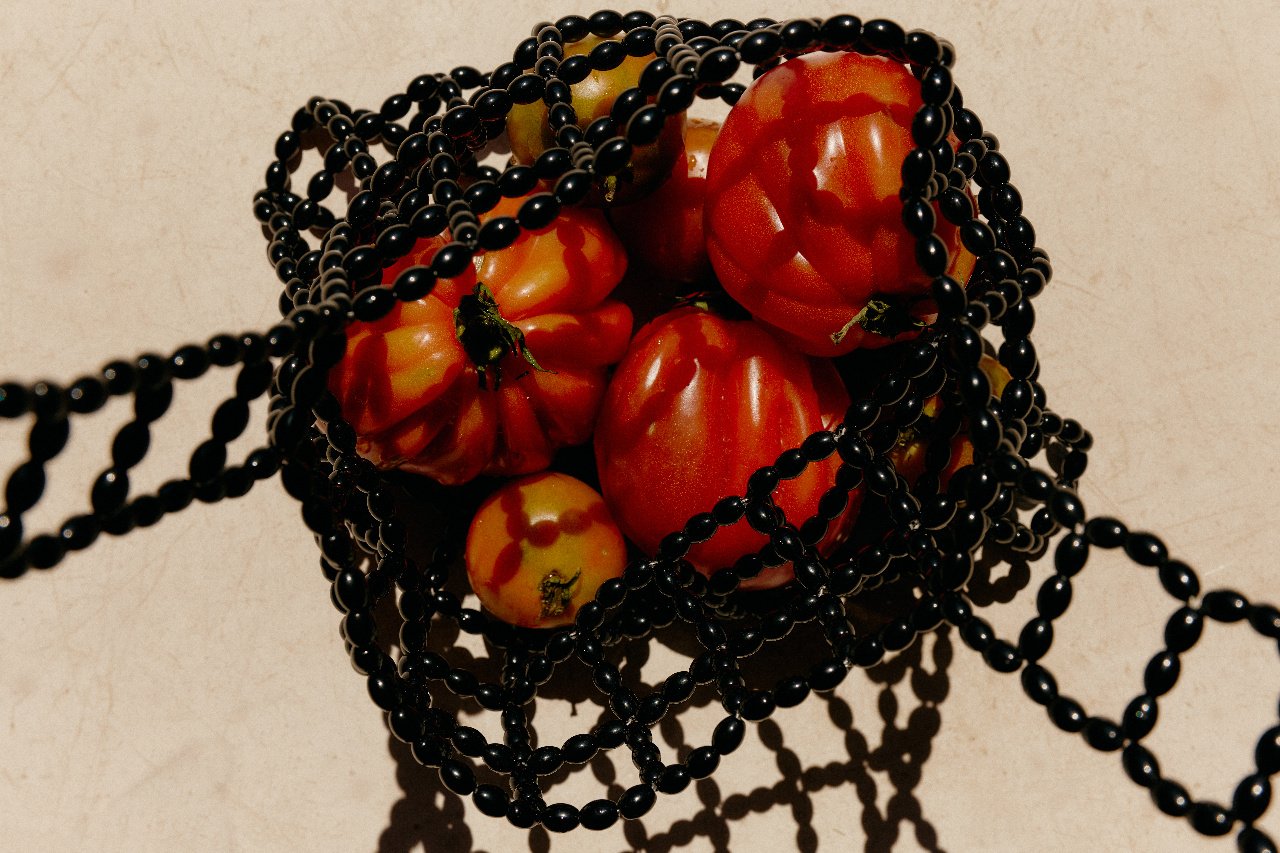
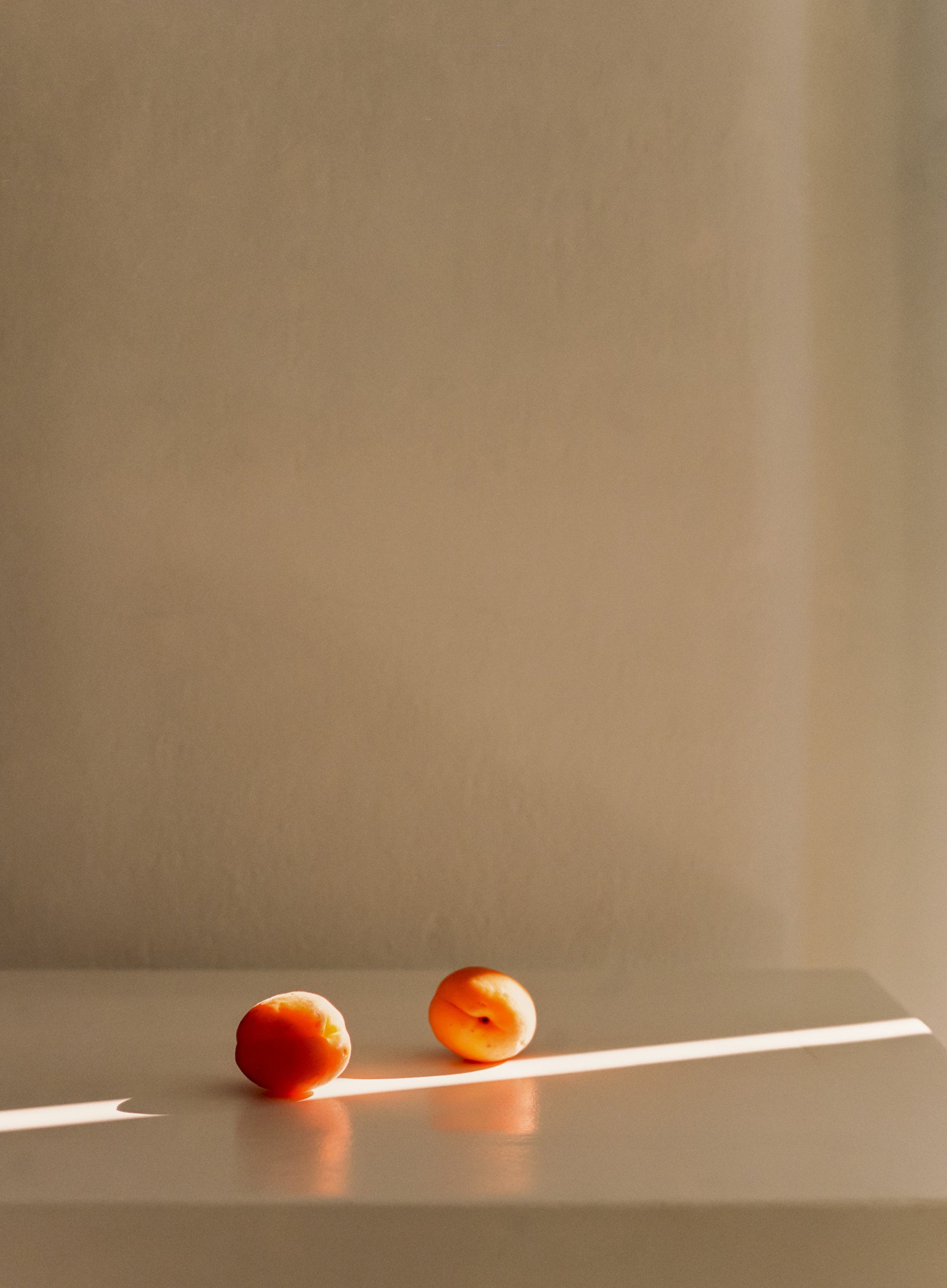
- One hard source, deep shadow. Chiaroscuro. Fruit half-swallowed by black. Caravaggio was doing this with a basket of fruit in 1599. It still works, and almost nobody applies it to food photography because it hides half the product. We do not have a product.
- Gels. Food almost never gets colored light because a color cast kills appetite appeal. That is exactly why a red-gelled steak or a magenta milk splash reads as editorial in half a second. Try complementary pairs: one color on the subject, its opposite on the background.
- Mixed color temperature. Tungsten warmth on the food, daylight blue in the shadows. Instant tension without a single prop.
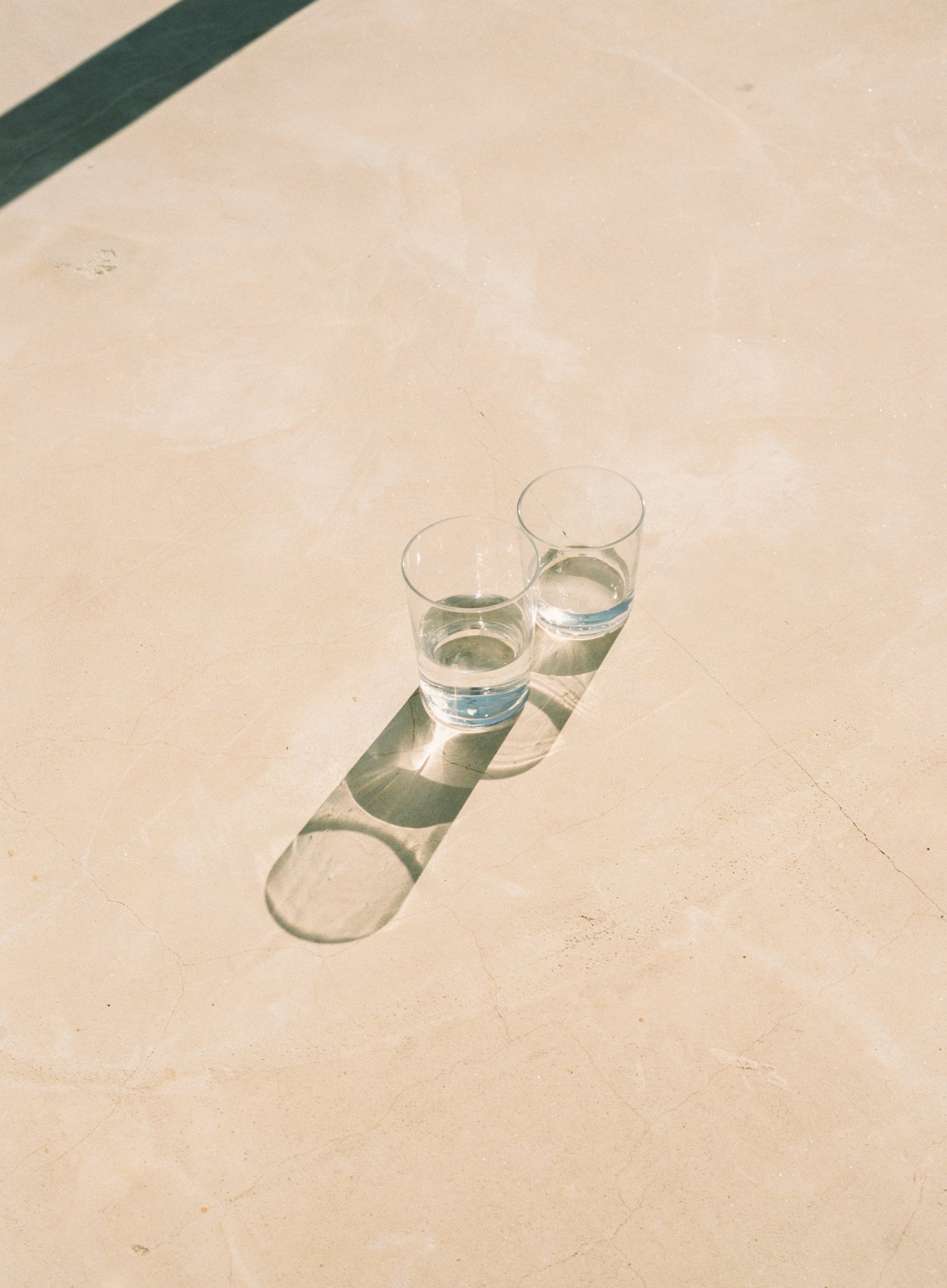
- Projected light and gobos. Venetian blind shadows raking across a place setting. A hard circle of light on one strawberry in a dark field. Dappled patterns through cut cards or actual leaves. The shadow becomes a second subject.
- Direct hard flash. The Bobby Doherty approach at New York Magazine: bare, punchy light, saturated color, food shot like an object in an evidence photo. Deadpan and loud at the same time.
Discussion prompt: What does deep shadow do to the emotional temperature of food? When would you want a meal to feel ominous?
Territory 3: Motion and Mess
- Food in motion. Splashes, pours, drops, tosses, flour clouds, frozen items shattering. Flash duration does the freezing, not shutter speed. This is rigging, monofilament, repetition, and patience. Composites are legal here; nobody drops forty berries in one perfect frame.
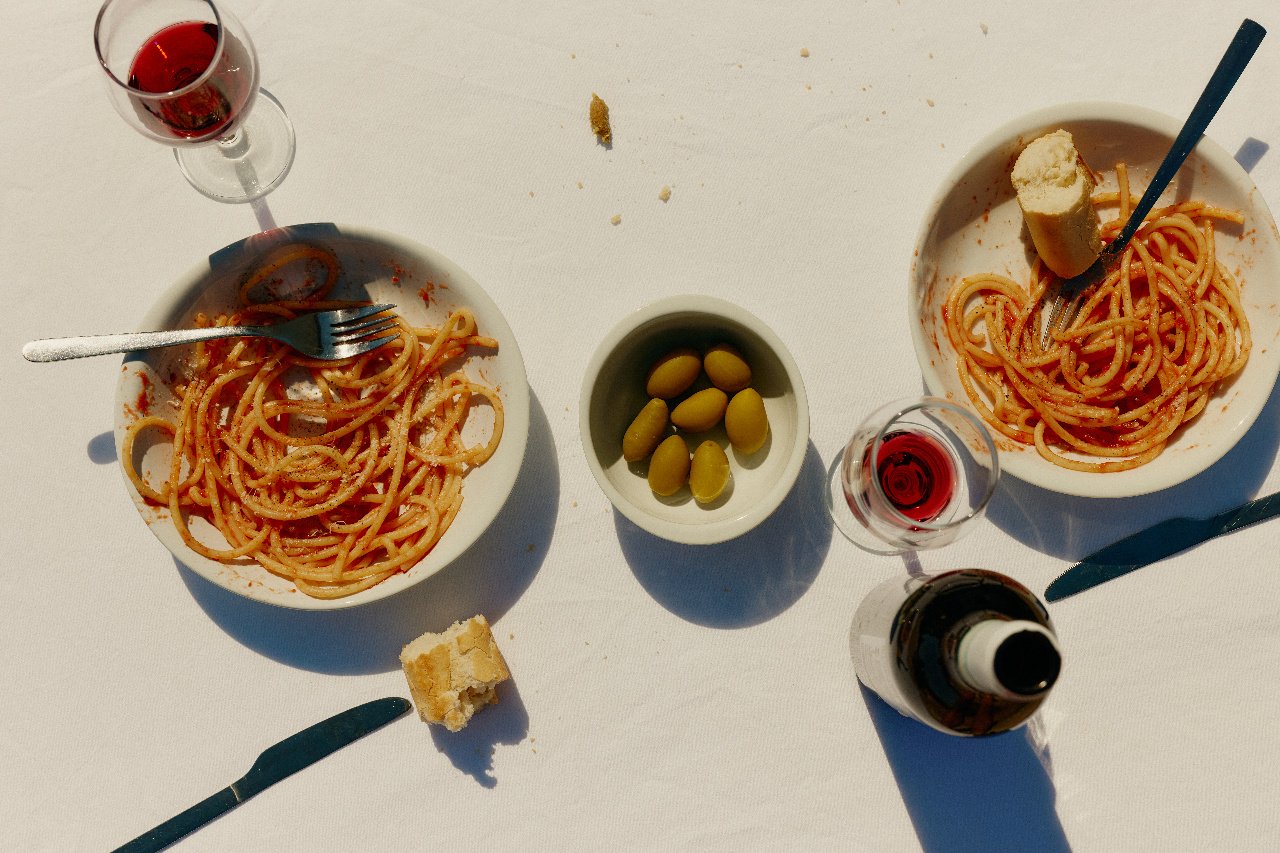
- The aftermath. Irving Penn shot the wreckage after the meal: crumbs, stubbed-out cigarettes, spilled wine, the abandoned table. The eaten image tells a story the pristine plate cannot. Somebody was here. Something happened.
- Deconstruction. The dish exploded into its parts, suspended, layered in air, or laid out flat like an engineering diagram.
Clean plating takes an hour. Controlled chaos takes a day. Warn them now.
Discussion prompt: What story does a destroyed plate tell that a perfect one cannot?
Territory 4: Food as Sculpture, Graphic Object, Built Set
- Pure form. Repetition, geometry, pattern. A grid of 36 peas. Concentric rings of citrus. Carl Kleiner shot the IKEA baking book “Homemade Is Best” with stylist Evelina Bratell: raw ingredients arranged as flat graphic compositions before becoming the cake. The ingredients were the picture.
- The built set. Aaron Tilley, working with set designer Kyle Bean, made the Kinfolk series “In Anxious Anticipation”: a gelatin mold hovering above a mousetrap, an egg on its way to disaster. The food is a character in a suspense scene. The frame is one second before the event.
- Miniatures and scale games. Christopher Boffoli’s “Big Appetites” puts tiny model figures to work on real food, mowing kiwi fuzz, mining cookies.
- The dark object. Grant Cornett’s still lifes for The New York Times Magazine: slick, controlled, and a little sinister. Food treated like a design object with something wrong underneath.
Discussion prompt: Take a suspense scene, one second before something happens. What is the food and what is the threat?
Territory 5: Food as Allegory
This is the oldest game in the still life tradition. Dutch painters in the 1600s, Pieter Claesz and Willem Heda among them, painted tables where every object carried meaning. The half-peeled lemon, the toppled glass, the skull beside the bread. Vanitas: time passes, wealth rots, you die. The banquet was never about the banquet.
- Paulette Tavormina photographs direct homages to those paintings with modern produce, and they hang in galleries because the language still reads four hundred years later.
- Henry Hargreaves shot “No Seconds”: plain, careful recreations of death row inmates’ last meals. No people, no captions needed. The food carries the entire weight of mortality and the justice system. His “Food Maps” series with Caitlin Levin builds countries out of their signature foods, a lighter idea executed with the same discipline.
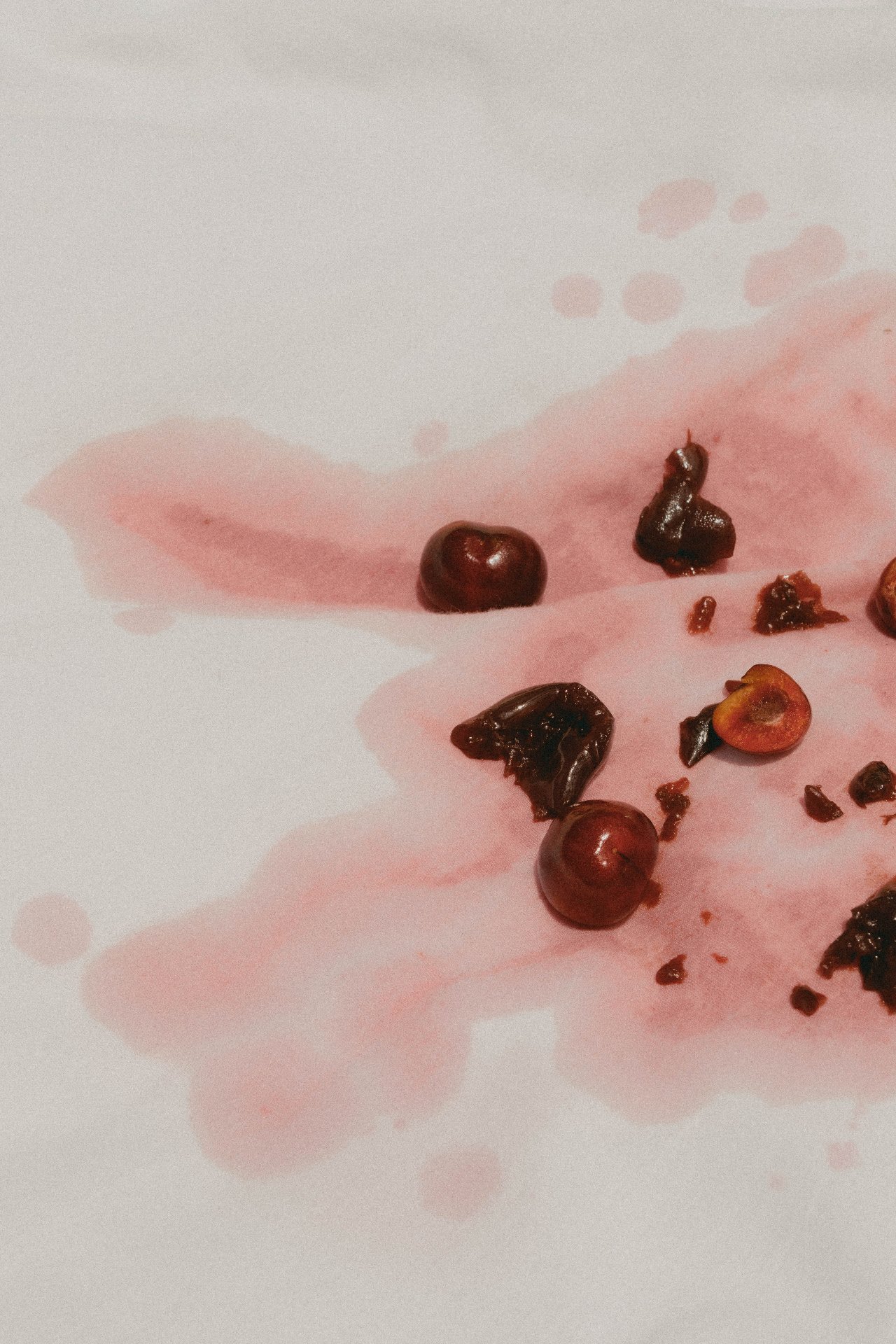
- Klaus Pichler’s series “One Third” stages rotting food like luxury still lifes, named for the fraction of the world’s food that gets wasted. Decay shot with product-photography polish.
The lesson that drives the rest of this class: pick the idea first, then cast the food. The lemon is an actor. Audition it.
Discussion prompt: I give you an abstract word: greed, comfort, anxiety, abundance. What food do you cast, and what treatment does it get?
Bottom Line.
One thread runs through all five territories: the food is never the point. The point is the point. Point of view, light, motion, construction, and historical reference are choices you make in service of an idea, and every one of those choices is available to you the moment you stop trying to make someone hungry.
Between now and next session: start a folder. Collect editorial food that breaks the rules we covered. Bring three images you love and be ready to tell the group what each image is about. Not what it is of. What it is about.
______________________
Download the Presentation
Presentation PDF
Assignment One: Steal the Rules
Style is not a vibe. It is a set of decisions a photographer makes over and over until the decisions become recognizable. This assignment is about finding those decisions, writing them down, and shooting inside them.
The Assignment
Pick one photographer from Session One. Galton, Doherty, Penn, Kleiner, Tilley, Boffoli, Cornett, Tavormina, Hargreaves, or Pichler. If you want to work from a different editorial food photographer, bring us the name and make your case before we review your work (links please)
Then, in order:
1. Study the work. Spend real time with 10 to 15 of their images. Not a scroll. Look at where the light comes from, where the camera sits, what the palette does, how the set is built, what the images are about.
2. Write their rulebook. Five rules, maximum. One each for light, point of view, color, styling and set, and the idea underneath. Each rule has to be specific enough that another photographer could follow it without seeing the source images. “Moody lighting” is not a rule. “One hard source from camera left, no fill, background falls three stops below the subject” is a rule. If you can’t write the rule, you haven’t seen the work yet. Keep looking.
3. Shoot an original image inside those rules. Different subject matter than anything in their portfolio. If your photographer shot gelatin, you do not shoot gelatin. You are borrowing the grammar, not the sentence. Recreating one of their existing frames gets the assignment handed back.
Deliverables
- Share all five rules
- Two final image
- Three to five outtakes that show the working process (We want to see how you got there.)
Due at the next session.